


EU Eases 2035 Combustion Engine Ban, Triggering Divisions in Auto Industry
Author: Grey
Published by: Gasgoo
Time: 2025.12.22 12:54
According to the report by foreign media. Recently, European Commission announced the proposal that to relax the regulations on the total ban of new fuel vehicles starting in 2035 due to pressure from the German and Italian governments and mainstream auto enterprises. The proposal would adjust the 2035 new car tailpipe emissions target from the originally zero emissions to a 90% reduction compared to 2021, while also introducing multiple measures to accelerate the transition to electric vehicles and granting auto enterprises greater compliance flexibility. Reactions to the European Commission's new proposal vary among auto enterprises, industry associations and governments of European countries.
Auto Enterprises Stances:
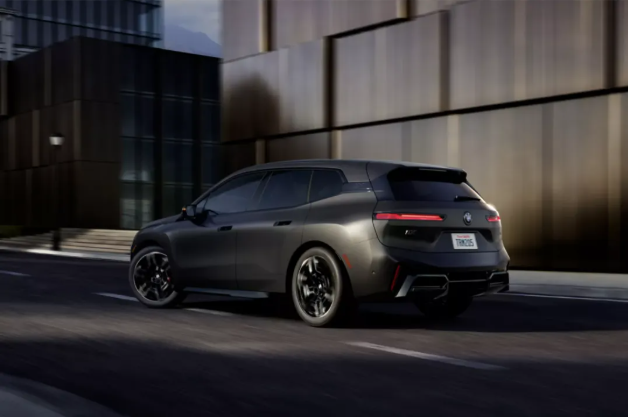
BMW: The European Commission no longer treats the technology ban as a guiding but recognizes the future viability of internal combustion engine technology, marking a key step forward.
Stellantis: The European Commission’s new proposal fails to effectively address the core issues facing the industry. Specifically, the plan does not provide a viable solution for the struggling light commercial vehicle sector, nor does it accommodate the passenger car industry's request for flexibility in adjusting the 2030 emission reduction targets.
Mercedes-Benz: The European Commission’s initiative is heading the right direction, providing greater flexibility for auto enterprises and promoting the implementation of the technology neutrality. This is the EU's proactive response to the slowing pace of electric vehicle adoption in Europe.”
Renault: The Renault welcomes the automotive sector package approved by the European Commission, which specifically addresses some of the major challenges facing the European automotive industry. We are particularly focused on the measures in the package that accelerate the promotion of electric vehicles, including the establishment of a dedicated category for small electric cars under 4.2 meters, as well as special programs to drive the electrification of European fleets.
Volkswagen: The European Commission's revised draft on carbon dioxide emission targets is overall pragmatic and economically feasible. The proposed future measures to provide special support for small electric vehicles are commendable. Allowing the continued sale of internal combustion engine vehicles under the carbon offset mechanism aligns with current market conditions and demonstrates a flexible and pragmatic approach.
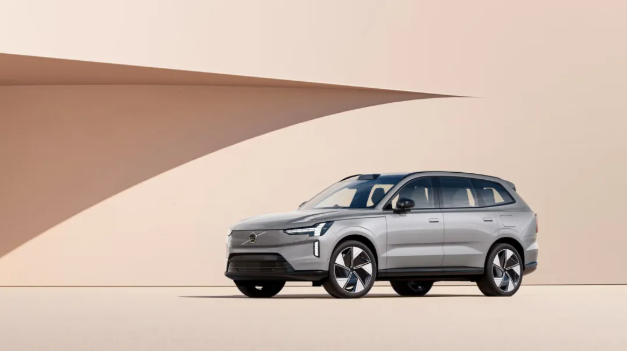
Volvo: Weakening long-term emission reduction commitments for short-term gains could undermine Europe's competitiveness for years to come. Only a stable and clearly defined policy framework, combined with investments in public infrastructure, can truly benefit consumers, support climate governance and strengthen Europe's industrial capacity. Volvo has built a complete electric vehicle lineup in less than a decade and is facilitating the transition to full electrification with long-range hybrid models. If we can achieve this, other automakers can as well.
Industry Association and Institutes Stances:
Steffen Kawohl, Policy Advisor of the Association of German Small and Medium-Sized Enterprises (BVMW): Easing the ban on fuel vehicles may slow down the transition to electrification of automotive industry, but it will not halt it. This slowdown only has practical significance if the German economy uses this buffering period to accelerate the shift towards fossil fuel-free mobility.
Dominic Phinn, head of the transport department at the environmental organization Climate Group: Downplaying the phase-out plans for gasoline and diesel engines runs counter to the strategies of many leading European companies. These companies are investing billions of euros in electrified vehicle fleets and urgently need a stable policy environment to provide assurance.
Chris Heron, Secretary General of the E-Mobility Europe Association: Allowing plug-in hybrid vehicles and biofuels, which are difficult to scale, back into the market would slow down Europe’s transformation pace amid intense global competition. The future of transportation is inevitably moving toward electrification, the key question is whether Europe will independently create this future or rely on imports.
Jan Dornoff, Research Director at the International Council on Clean Transportation (ICCT): In terms of corporate fleet electrification and support programs for affordable small electric vehicles, this plan indicates that the European Commission remains committed to the electrification transition of the automotive industry. However, adjustments to the carbon dioxide emission standards represent a risky concession and may delay the necessary transformation process of the industry.
Ben Nelmes, CEO of the non-profit organization New Automotive: What the battery manufacturing industry needs is clear and coherent policy guidance from Europe. The European Commission's revision of the rules not only undermines external trust in its own regulatory system, but also takes a gamble with the economic future of Europe.
Julien Thomas, TP ICAP analyst: In our view, these measures are generally favorable for European automakers, particularly large-scale manufacturers such as Renault, Volkswagen and Stellantis, which also have light commercial vehicle operations. This year, the European light commercial vehicle sector has experienced a decline in sales due to regulatory uncertainty.
Thomas Peckruhn, Chairman of the ZDK: Our companies face the shortcomings of European automotive regulations on a daily basis: high charging costs, insufficient infrastructure, and the difficulty of meeting the everyday practical needs of consumers. Climate-friendly mobility can only become a reality when it is economical, practical, and reliable, otherwise, it remains mere rhetoric.
Political Stances:
Friedrich Merz, the chancellor of Germany: This move that deserves recognition that after the German government issued a clear signal, the European Commission eased regulations on the automotive industry. Adopting a technology-open approach and enhancing policy flexibility is the correct choice to balance climate goals, market realities, corporate development, and employment security.
Antonio Tajani, the Italian Foreign Minister: We have successfully prevented the implementation of the EU's ban on internal combustion engine vehicles by 2035. This decision alone can secure 70,000 jobs in Italy. While environmental protection is undoubtedly important, it is essential to also safeguard individual rights, business development and employment stability.
